India's top 10 national parks for corporate retreats
Corbett, Ranthambore, Kaziranga and the Sundarbans suit corporate groups best, because they have group hotels and a major city within a day. Plan between October and June, since most tiger reserves close their core zones in the monsoon.
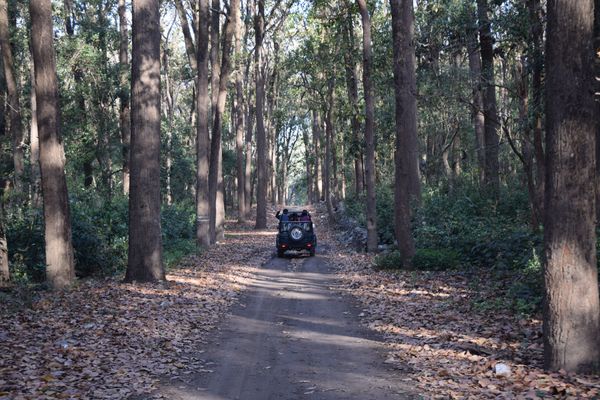
In short
- Corbett, Ranthambore, Kaziranga and the Sundarbans come first because they have group hotels, a major city within a day, and their own ICE India destination pages.
- Most tiger reserves close their core zones in the monsoon. Plan between October and June, and check the reserve's dates for the year before fixing a programme.
- A park is the wildlife leg of a programme. Run the conference in the nearest city and take the group into the park for one or two nights.
How the ten are ranked
The order below is ICE India's own, built for corporate groups rather than for wildlife enthusiasts. A park ranks higher when it is easy to reach, has hotels that take groups of 40 or more, and sits next to a city that can host the working sessions.
Sightings are never guaranteed, so every programme is built so the day works without a tiger.
- Access
- How far the nearest airport or railhead is, and how long the last stretch by road takes.
- Season
- Which months the safari zones are open. Most are closed in the rains.
- Group hotels
- Whether the park has resorts with a hall and enough rooms, or only small lodges.
- Pairing
- Whether a city with a convention-grade hotel is close enough for the working sessions.
1 to 4: parks with their own destination pages
These four sit inside states where ICE India plans full programmes, so the hotels, flights and road legs are on the destination page. This guide only says why each park ranks where it does.
- 1. Jim Corbett, Uttarakhand
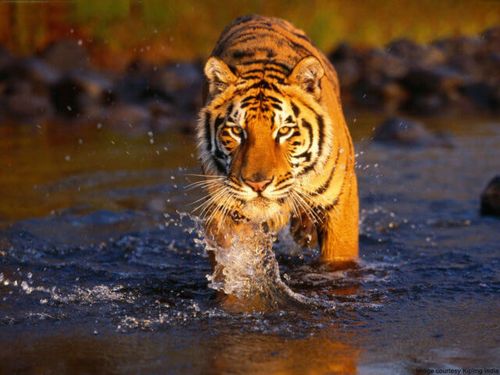
- India's first national park and the easiest tiger park from Delhi. Resorts around Ramnagar and Dhikuli take large groups. Open from October to June. Corbett venues and flights.
- 2. Ranthambore, Rajasthan
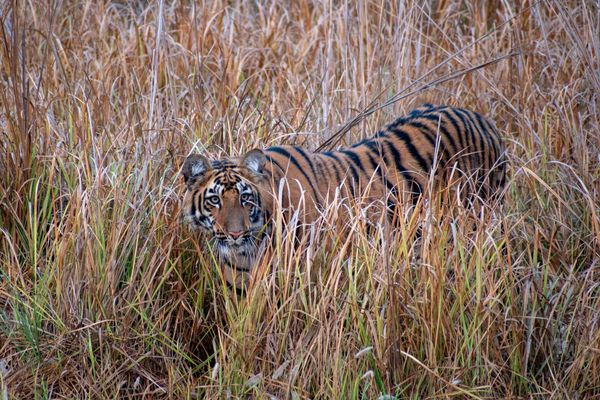
- Tigers among ruined fort walls and lakes, and a natural second stop after Jaipur. Safari zones are open from 1 October to 30 June. Ranthambore venues and circuits.
- 3. Kaziranga, Assam
- A UNESCO World Heritage Site and the home of the Indian one-horned rhinoceros. Best from November to April, with Guwahati as the gateway for flights and large halls. Kaziranga lodges and circuits.
- 4. The Sundarbans, West Bengal
- A mangrove delta and UNESCO World Heritage Site, explored by boat rather than jeep. It is a one or two-night add-on to Kolkata, best in the cooler months. The Sundarbans from Kolkata.
5 to 7: central India tiger country
Tadoba, Kanha and Bandhavgarh are the parks to choose when the tiger is the point. The lodges are small, so these suit leadership groups and incentive winners, not a full dealer base.
The core zones close from July to September in all three. Tadoba's core zones also close every Tuesday. Buffer zones stay open through the rains.
- 5. Tadoba Andhari, Maharashtra
- Maharashtra's largest national park, with Nagpur as the gateway for flights.
- 6. Kanha, Madhya Pradesh
- Sal forest and open meadows, home to tigers, leopards, sloth bears and the barasingha, a swamp deer found in few other places. Jabalpur is the nearest airport, about four hours away by road.
- 7. Bandhavgarh, Madhya Pradesh
- Rocky hills and a high density of tigers, suited to smaller groups. Jabalpur is the usual airport, with Khajuraho as the alternative. Plan a night at each of Kanha and Bandhavgarh to see both.
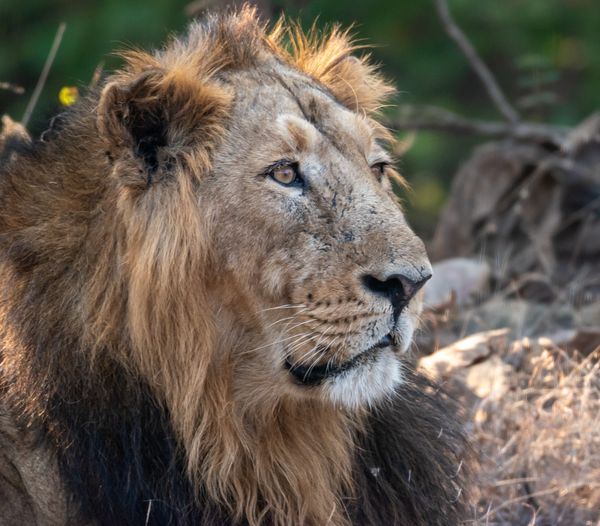
8. Gir, Gujarat: the only home of the Asiatic lion
Gir is the only place in Asia where Asiatic lions live in the wild. It suits an incentive trip, or a leadership group that has already seen a tiger.
The park is closed from 16 June to 15 October each year. Rajkot has the best flight links. Diu and Keshod are nearer but have fewer flights. The last leg is by road.
Keep the working sessions in Rajkot and use Gir for the reward leg.
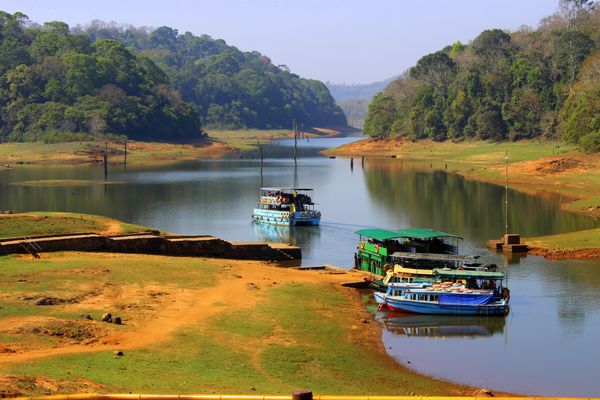
9. Periyar, Kerala: a lake safari, not a jeep safari
Periyar is built around a lake in the Western Ghats. Groups take a boat cruise to watch elephants and other animals come to the shore, so the day is quieter and slower than a tiger drive.
Unlike most reserves, it stays open through the monsoon. The cooler months from October to March are the pleasant ones. It pairs well with the Kerala backwaters and tea country, which ICE India plans from Kochi.
10. Hemis, Ladakh: for small, fit groups
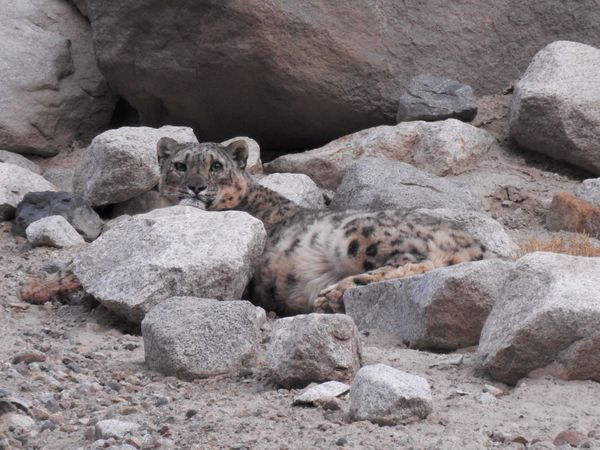
Hemis is the largest national park in India and is known worldwide for its snow leopards. Winter, from January to March, gives the best chance because the animals follow their prey down to the valleys.
That is also the coldest time. Treks start from valleys such as Rumbak, close to Leh, at 12,000 feet or more, in temperatures well below freezing. Groups need two days in Leh to acclimatise. Keep it to a small group of fit volunteers.
Planning a park programme
Book safari slots by zone and shift for the whole group at the start. Allow at least one buffer day, as a tiger on the road decides the day, not the itinerary.
For events in or near a protected area, keep amplified sound away from the forest edge and agree the waste plan with the lodge. The eco-friendly events guide covers both.
- Split the plan
- Working sessions in the city, one or two nights in the park. This keeps hall sizes, projection and connectivity out of the wildlife leg.
- Small vehicles, small groups
- A large group runs as a string of jeeps in staggered slots, so each vehicle stays small.
- A briefing first
- Start with a short naturalist-led briefing before the first drive, so the group knows how to behave around the animals.
Cloudsufi's retreat at Jim Corbett is a park retreat run for 110 people. See also the nature retreats guide and the event planning timeline.