
Government capacity building programs in India and abroad
ICE India plans study tours, training retreats and knowledge exchange programmes for ministries, state departments and public sector institutions, with sample programmes of 3, 5 or 7 nights. One team coordinates the programme, travel, accommodation, institutional visits and certificates, with the department's subject experts setting the content.
- 1,500+events delivered since 2009
- 40+countries, through vetted local partners
- 50+destinations
- 2009founded in Mumbai
Government training programmes by sector
Each programme pairs focus areas with global benchmarks and a defined learning outcome.
Agriculture and rural development
Programmes cover crop productivity, seed systems, farmer welfare, cooperatives, exports, dairy, fisheries and horticulture. Benchmarks: Netherlands, Brazil, Australia. Focus: food security, rural incomes, modern value chains.
Industry, commerce and MSMEs
Officers study industrial corridors, investment promotion, MSME clusters, exports, ease of doing business, food processing and cold chains. Benchmarks: Germany, Netherlands, Italy. Focus: larger MSME ecosystems and more exports.
Urban governance and public works
It covers affordable housing, regeneration, smart cities, PPP models and engineering design. Benchmarks: Europe and East Asia. Focus: stronger municipal governance and faster infrastructure delivery.
Water, sanitation and irrigation
The programme takes in safe drinking water, sanitation, sewage management, irrigation technology, waterways and flood management. Benchmarks: Netherlands, Singapore, Japan. Focus: resilient water systems.
Environment, forests and science
Sessions deal with climate change, pollution control, biodiversity, eco-tourism, biotechnology and climate-smart R&D. Benchmarks: Finland, Costa Rica, South Korea, Japan. Focus: climate-smart governance.
Fisheries and coastal development
This sector spans aquaculture, inland fisheries, coastal livelihoods, marine infrastructure and value-added exports. Benchmarks: Norway, Iceland. Focus: diversified exports and stronger coastal economies.
Power, energy and renewables
Officers look at distribution reforms, energy security, solar, wind, smart grids and non-conventional energy. Benchmarks: Denmark, Germany, Japan. Focus: a faster renewable transition.
Social development and resilience
The programme covers poverty alleviation, welfare schemes, Panchayati Raj, local governance and disaster management. Benchmarks: Brazil, South Africa, New Zealand, Japan, Netherlands, South Korea. Focus: better welfare delivery and disaster preparedness.
Engineering, innovation and infrastructure
Modules cover roads, bridges, highways, public works standards, applied R&D and industrial innovation. Benchmarks: Germany, South Korea, Finland. Focus: advanced engineering practice.

From first brief to certificates
You get a single point of contact, end to end.
Consultation
We start with your department's priorities and learning needs.
Programme design
We design the programme structure, training modules and exposure visits around your sector, with your subject experts setting the content.
Delivery
Delivery covers air, rail and road travel, 4-star and 5-star hotels, visa assistance, local transport, meals, on-ground coordination, emergency support and certification.
What is a government capacity building programme?
A government capacity building programme is structured learning for public officers that strengthens how a department plans, governs and delivers. It usually combines classroom training, visits to institutions that have solved a similar problem, and a closing session where officers decide what to apply in their departments.
ICE India plans three formats. Choose the format around the department's learning objectives: a department changing its grievance system needs a different programme from one adopting solar pumping or building a city command centre.
- Domestic training retreat
- It runs two to four days in India, with structured modules and a site visit, in a setting that lets officers think away from the desk.
- Study tour abroad
- Officers visit ministries, agencies and projects overseas that work on the same problem, with a workshop at the end. The sample programmes above run 5 or 7 nights.
- Knowledge exchange programme
- It's a two-way format in which officers meet counterpart institutions, compare practice and agree what can be adapted.
How is a capacity building programme designed?
Design starts from the department's problem. ICE India works through the same six questions for every brief, and the answers become the programme outline a department takes into its own approval process.
- What is the learning need?
- It's the scheme, reform or skill gap the officers must handle, and who among them needs it.
- What should officers be able to do afterwards?
- We write the learning outcome as an action, such as draft a PPP model or run a flood drill, not a topic heading.
- Which benchmark fits?
- The benchmark is a country or state whose context is close enough to learn from. The sector cards above list common benchmarks.
- Which institutions will host?
- Hosts are agencies, projects and training bodies able to show how the work is done.
- What is the mix of sessions?
- Briefings, training, site visits and discussion are balanced across days, with reflection time kept in.
- What happens when officers return?
- The programme ends with a closing workshop in which each participant records one or two actions to take back to the department.
Domestic training retreat or study tour abroad?
Both formats suit different problems. A retreat in India is quicker to approve and keeps the focus on Indian schemes. A study tour abroad gives access to systems that do not exist at home. ICE India sets the two side by side so a department can choose on the learning need and the approval route it has.
| Question | Domestic training retreat | Study tour abroad |
|---|---|---|
| Best for | Leadership, governance and scheme-level training with Indian examples | Learning from systems that do not yet exist in India, such as digital government or flood defence |
| Sample length | 3 nights, as in the Goa, Kerala and Rajasthan outlines | 5 or 7 nights, as in the country outlines |
| Approvals | The department's own training and finance approvals | Those, plus the clearances required for officers' foreign travel, and visas |
| Host access | Indian institutions and state projects | Foreign ministries, agencies and projects |
| Main cost drivers | Hotel, local transport, faculty and visits | Airfare, visas, hotels and ground services in the host country |
What does delegation logistics cover for government officers?
Officers travel as one delegation under a programme leader, so logistics has to work for the group and for the paperwork behind it. ICE India handles the following. Overseas, ground services run through vetted local partners in 40+ countries.
- Travel
- Air, rail and road bookings, with the class of travel set by the department's entitlement.
- Visas
- Visa assistance for study tours, including the document checklist and the supporting letters a consulate asks for.
- Stay
- 4-star and 5-star hotels chosen for distance to the venues and visits.
- Local movement
- Local transport, meal planning that respects dietary needs, and a helpdesk for the delegation.
- On the ground
- Coordination at each visit, cultural add-ons and emergency support throughout the programme.
- Records
- A delegation list, an attendance record and cost documentation the department can attach to its file.
What approvals does a foreign study tour for officers need?
Official foreign visits by government officers need clearances before anything is booked. As described in government circulars on foreign travel, the proposal usually goes to the administrative ministry, then to the Ministry of External Affairs for political clearance, and then to the finance ministry. Longer visits may also need the clearance of the officer's cadre controlling authority.
The department files these approvals. ICE India does not issue them, but prepares what the file needs: a programme outline, host institution details, a day-wise plan and a cost estimate. Because clearances take time, a department should confirm the current rules with its own establishment division and start early.
Rules change. The department's establishment or training division is the authority on the current foreign travel instructions.
How do departments procure a training and study tour partner?
Central departments buy through the rules in the General Financial Rules 2017. Rule 149 requires goods and services that are available on the Government e-Marketplace (GeM) to be bought there. Where a service is not available on GeM, the department follows its tender procedure, a limited tender, or a recorded single-source justification where the rules allow.
The department's finance wing decides the route. ICE India provides its company profile, GST registration, PAN and bank details on request, and prices are GST-compliant and documented line by line, so a quotation can be compared and audited.
How are learning outcomes, certificates and follow-up handled?
A programme is only useful if officers can show what changed. ICE India builds three checkpoints into the plan so the department has a record.
- Before
- A short expectation form, so facilitators and hosts know the officers' starting point and priorities.
- During
- A daily attendance record and feedback at the end of each module, so the plan can be adjusted on the way.
- After
- A certificate of participation for each officer, a closing workshop that records action points, and a summary note for the department's file.
Sample programmes
Indicative outlines. Every programme is designed around the department's brief.
Training retreats in India
-
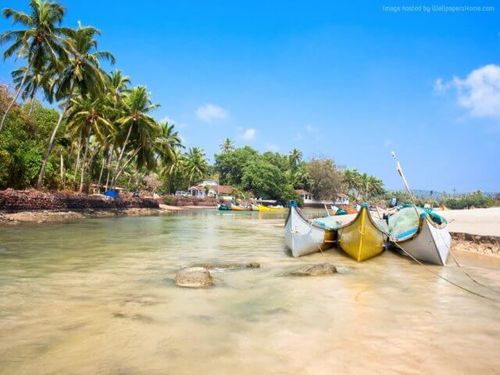
Goa, 3 nights
ICE India's indicative Goa programme covers smart cities and public administration.
- Day 1 Orientation on urban governance in tourist states.
- Day 2 Training on citizen-centric service delivery and a visit to the Panaji Smart City project.
- Day 3 A team building and stress management workshop, a Mandovi cruise or beach time, and certificates.
-
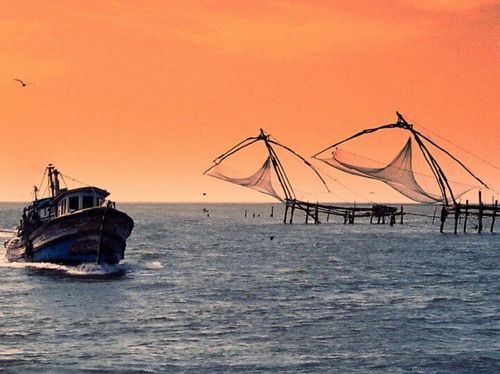
Kerala, 3 nights
The indicative Kerala programme, at Kumarakom, Kovalam or Wayanad, covers sustainable development and wellness.
- Day 1 Orientation on decentralised planning and rural development.
- Day 2 Training on Panchayati Raj and convergence, a cooperative or eco-tourism visit and a Kathakali evening.
- Day 3 A leadership resilience session, an Ayurveda wellness module and certificates.
-
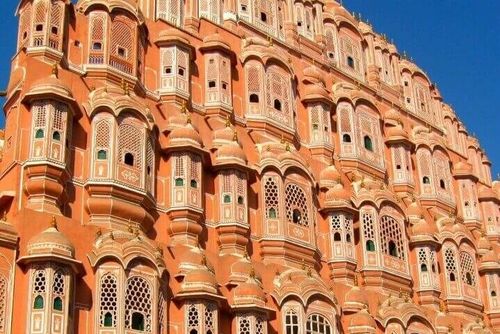
Rajasthan, 3 nights
The indicative Rajasthan programme, in Jaipur or Udaipur, covers heritage and governance.
- Day 1 A briefing on urban heritage management.
- Day 2 Training on PPP models in infrastructure, a site visit to Jaipur Smart City or Udaipur Lake Conservation and a cultural dinner.
- Day 3 A change management workshop, a heritage tour of Amber Fort or City Palace, and certificates.
Study tours abroad
-
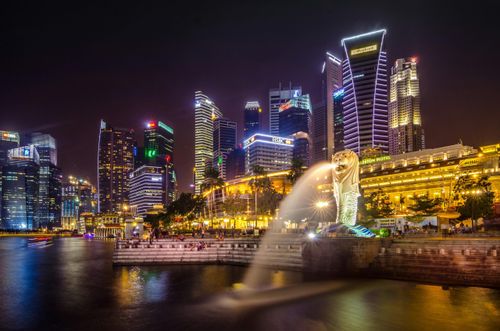
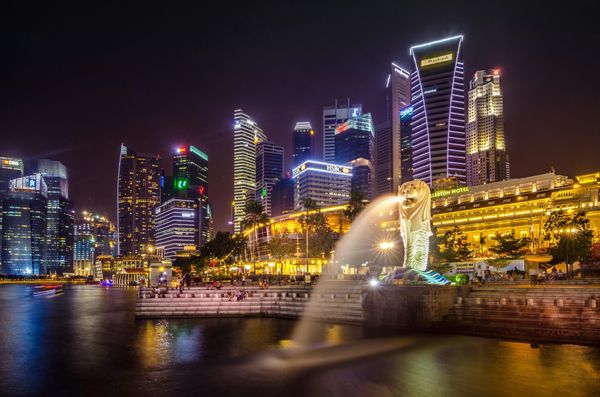
Singapore
The 5-night programme covers digital governance and Smart Nation.
- 5 nights The Civil Service College, the Smart Nation Office (digital services, AI in governance), PUB for water and sanitation, and LTA for urban transport.
- 7 nights adds GovTech, OneService, NEWater, and the Urban Redevelopment Authority planning gallery.
- Both end with A workshop on adapting global practices.
-
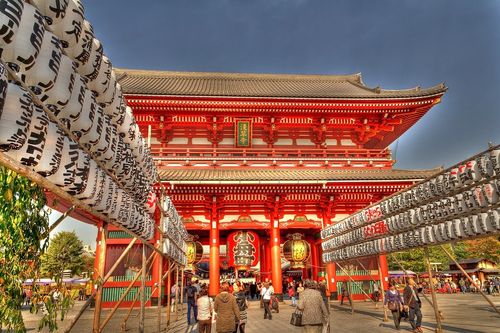
Japan
The 5-night programme covers disaster management and technology.
- 5 nights The Cabinet Office for Disaster Management, a business continuity planning session, a Tokyo R&D hub for early warning systems, and a flood control museum or dam project.
- 7 nights adds The Sendai earthquake and tsunami resilience centre, Kyoto heritage and urban resilience, and the Toyota smart city and mobility lab in Shizuoka.
-

Spain
The 5-night programme covers urban regeneration and smart cities.
- 5 nights, Barcelona A municipal innovation lab, data-driven city operations and housing and regeneration models.
- 5 nights, Madrid A transport and transit-oriented development authority.
- 7 nights adds Madrid's housing and regeneration authority and Bilbao's waterfront and culture-led regeneration.
-
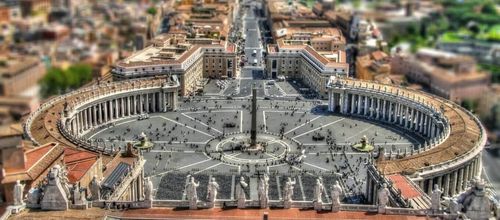
Italy
The 5-night programme covers heritage, tourism and innovation.
- 5 nights A heritage conservation authority and municipal governance in Rome, urban heritage in Florence and innovation districts and cluster models in Milan.
- 7 nights adds Industry 4.0 and public-private collaboration in Milan, and waterfront heritage and tourism management in Venice.
-
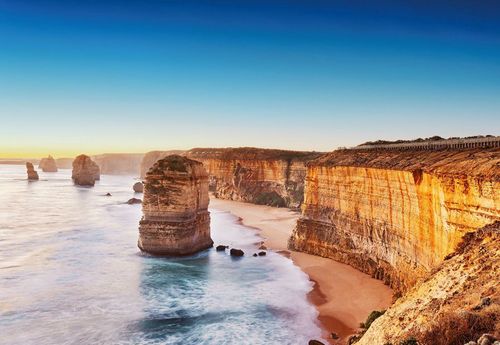
Australia
The 5-night programme covers public health, water and governance in Melbourne.
- 5 nights A public health authority, a hospital innovation lab, a water management project and an urban planning session.
- 7 nights adds Smart transport and harbour development in Sydney, and the Australian Public Service Commission in Canberra.
-
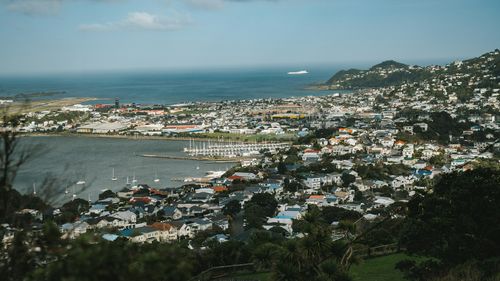
New Zealand
The 5-night programme covers agritech and indigenous development.
- 5 nights Agritech and dairy innovation in Hamilton, governance and inclusion models in Wellington, and cultural immersion and a learning circle in Rotorua.
- 7 nights adds A deeper look at indigenous economic development in Rotorua and resilience and rebuild lessons in Christchurch.
-
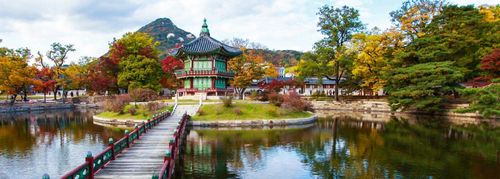
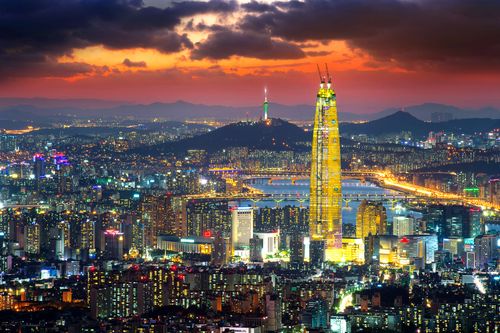
South Korea
The 5-night programme covers digital economy and urban resilience in Seoul.
- 5 nights E-Government HQ, the Smart City Command Centre and Pangyo Techno Valley's start-up ecosystem.
- 7 nights adds Busan for urban resilience and port management, and a smart mobility and intelligent transport systems lab.
-
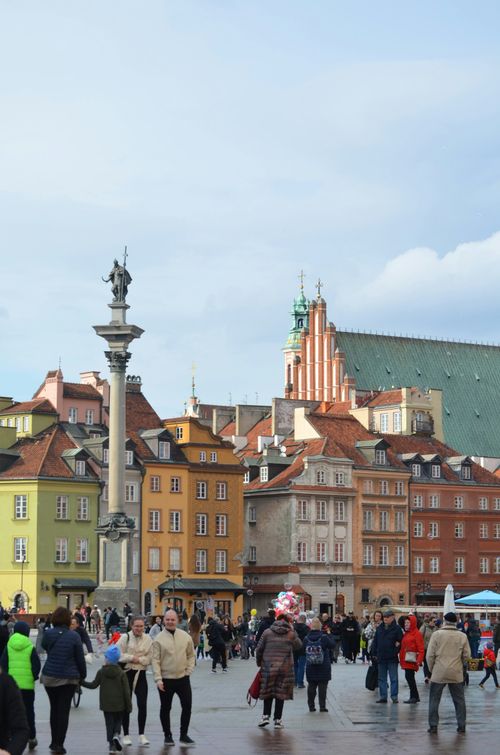
Poland
The 5-night programme covers governance in transition economies.
- 5 nights Public administration reforms and municipal governance in Warsaw, and urban regeneration and heritage in Krakow.
- 7 nights adds Port and logistics governance in Gdansk, and industrial transition and the green economy in Silesia.
-
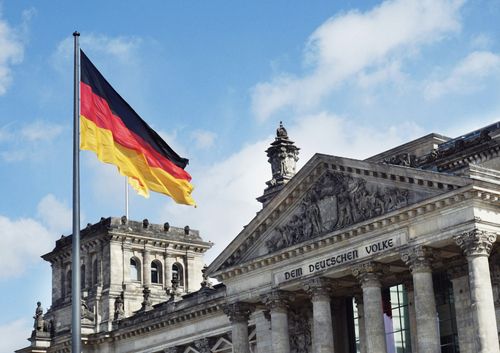
Germany
The 5-night programme covers industry clusters and renewable energy.
- 5 nights Federal digitalisation models and government service design in Berlin, industry clusters and commerce in Frankfurt, and green city and renewable projects in Freiburg.
- 7 nights adds A renewable and mobility lab in Freiburg and an innovation campus for applied R&D in Munich.
Frequently asked questions
Can ICE India design government capacity building programmes abroad?
Yes. ICE India curates international study tours and knowledge exchange programmes in Singapore, Japan, Germany, South Korea, Spain, Italy, Australia, New Zealand and Poland. A department can also propose any other destination, in India or abroad, and the programme is built around its learning priorities.
What does ICE India handle as travel partner for government training programmes?
ICE India handles air, rail and ground bookings, 4-star and 5-star hotels, visa assistance for study tours, local transport, helpdesks, meals, gala dinners, cultural add-ons, emergency support and on-ground coordination. A department deals with one vendor instead of several. The logistics page describes the delegate-management side.
Can ICE India organise domestic training retreats for government officers?
Yes. ICE India designs retreats with structured learning modules in Goa, Kerala, Himachal Pradesh and Rajasthan, and in hill stations such as Ooty and Manali. A programme can be a two-day stress management session or a multi-day leadership and governance retreat, with a site visit and certificates at the close.
Which departments does ICE India design programmes for?
ICE India designs programmes for ministries, state departments, autonomous bodies and public sector institutions in agriculture, urban development, water and sanitation, digital governance, MSMEs, power, rural development and climate resilience. Modules follow the department's sector, such as housing, renewable energy or Panchayati Raj.
How long should a government study tour be?
ICE India's sample study tours run 5 or 7 nights. The 5-night option covers one or two cities and four or five institutions. The 7-night option adds further cities and visits on the same theme. The right length depends on the learning outcomes, the leave officers can take and the clearances the department obtains.
How are government capacity building programmes funded?
Programmes are generally funded from a department's existing training and development budget. ICE India's pricing is GST-compliant and documented. Sharing the full-year training calendar lets a department plan several programmes within one budget cycle.
Can a programme be built around one scheme or one country?
Yes. A department can ask for a programme on a single scheme, such as rural water supply, or around one benchmark country. ICE India then proposes institutions, a day-wise plan and a cost estimate for that brief. The sector cards and sample programmes on this page show typical starting points.
Why should a training institute share its calendar of events in advance?
With the year's calendar, ICE India can plan fares and hotels early, bundle services across several events for volume discounts and keep programmes within budget. Value-adds such as Wi-Fi SIMs, travel kits and lounge access can be included in the package. Early planning also gives time for approvals and visas.
Related services
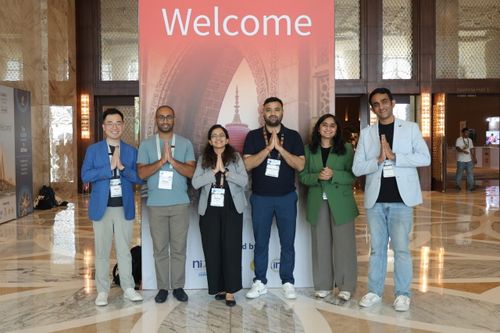
Event logistics and delegate management
We handle travel, transfers, hotels and on-ground coordination for large delegations.
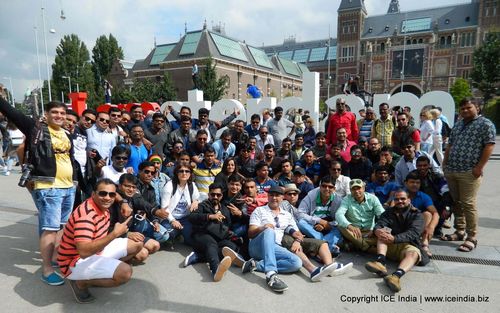
Corporate retreats and offsites
We plan leadership retreats and team offsites in India and abroad.