How to plan an annual corporate offsite
Plan an annual offsite by writing its purpose and its measure first, then choosing a destination the group can reach easily in the right season. Build the agenda around that purpose, and plan the follow-up before you travel.
In short
- Write the purpose and the measure of the offsite first. Team direction, training, a sales kick-off, culture and reward need different trips.
- Choose the destination for how easily the group reaches it and the season, before the views.
- A reward trip works when it is worth the target and offers something the team can't buy for themselves.
Set the purpose and the measure
Decide what must be different when the group returns. A clear purpose justifies the budget and the time away from work.
Hold a short planning session with the leaders who will attend. Agree the result and the way you will measure it.
- Leadership strategy
- A small senior group, a quiet venue and long working sessions. Success is a decision list the leaders sign.
- Training or sales kick-off
- A larger group, a conference room and structured sessions. Success is a test passed or a sales target accepted.
- Culture and team bonding
- More activity, shared meals and mixed teams. Success is shown in a pulse survey weeks later.
- Reward
- Keep formal sessions short and make room for experiences. Success is the next quarter's performance. The reward trip section below covers this one.
Choose the destination
Get the group there first, then think about the view. A destination needs flights from your cities, enough good hotels and reliable ground transport.
Large groups from several cities struggle to reach a small, remote airport. Check seat capacity on each route before you fall for a place.
- Reach
- Count flight time as part of the experience, especially if people go straight into sessions. Book flights early. Early bookings cost less and give you the seats.
- Season
- Go when the weather is good and the town is busy. The monsoon runs from June to September across most of India, and there's little point sending a team to a beach in the rains.
- Clashes
- Check festivals, exhibitions and school holidays at the destination for your dates. They fill hotels and raise prices.
- Safety
- Follow your company's business continuity rules. Put a plan for medical help and emergencies in the brief.
- Local support
- Ask the state tourism board or the local convention bureau which venues and activities fit your budget. They know the dates already taken.
ICE India's destination pages list venues, flights and the best months for Rajasthan, Goa, Uttarakhand and Kerala. For a wildlife setting, see the national parks guide.
Choose the venue and the stay
Venues for offsites range from mountain lodges and beach resorts to heritage palaces and city hotels with a day of leisure attached. Choose by what the agenda needs.
- Facilities
- In-house AV, breakout rooms, a dining room that seats everyone at once and some wellness amenities.
- Rooms
- Single rooms suit senior groups. Shared villas cost less and build bonds among peers. Decide before you shortlist.
- Guest profile
- First-time winners and seasoned top performers expect different things. Pick a hotel whose service level feels like an aspiration to your group.
Build the agenda
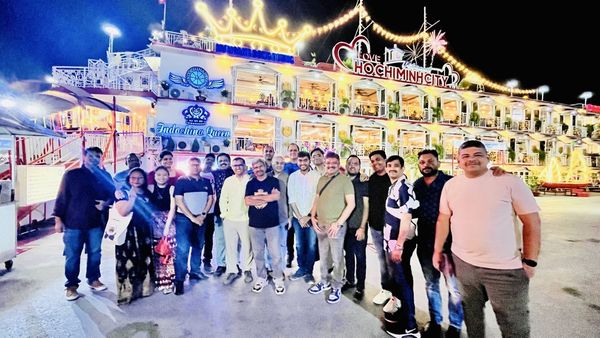
Mix sessions with experience. A working offsite alternates learning blocks of 60 to 90 minutes with a team challenge, a local excursion or a shared dinner.
A reward offsite flips the balance. Keep business light. A short breakfast meeting that wraps by lunch leaves the rest of the day free, and the heavy discussion can wait for the office.
- Learning blocks
- Polls and group exercises keep long sessions alive. Put the hardest topic in the first morning.
- Team challenges
- Adventure activities, escape rooms or design sprints, chosen to reinforce the purpose and not just to fill time.
- Recognition evening
- A gala or award dinner closes the trip. Ship trophies and printed material ahead by courier, rather than carrying them as baggage.
When the offsite is a reward
An incentive trip rewards people who meet a target. It works because the destination and the experience are worth more to them than the same sum in a bonus.
Match the reward to the goal. A stretch target needs a trip that feels like a stretch to earn, and a modest one doesn't call for an overseas gala.
- Offer what they can't buy
- If employees can have the same weekend on their own, the trip won't make anyone work harder. Pick experiences with access and a shared story.
- Announce early
- Show the destination when the target is set. A trip people can picture keeps them working toward it all year.
- Let the stories spread
- Winners return and talk. Colleagues who missed out hear what they missed, and that lifts the next year's effort.
Plan travel and on-site support
Offsites look easy when the logistics are invisible. Behind them sit travel blocks, transfers, meals and a team that stays awake.
- Travel
- Block flight seats, consolidate transfers, and start visa applications for an overseas trip as soon as the dates are fixed.
- Food
- Plan menus for allergies, religious practice and diets. Brief the kitchen the week before and again on arrival.
- On-site team
- Appoint an event manager, an AV technician and a desk that handles every guest request throughout the stay.
Measure and follow up
Collect session and overall ratings within 48 hours, while memory is fresh.
A month later, check whether the action items were taken up and compare the spend with the measure you set at the start.