Heritage venues in India for corporate events: forts, palaces, trains and retreats
Use a heritage setting for an evening event, a half-day visit or an incentive experience, and run the working sessions in a nearby hotel. Ask first who runs the place, because a palace hotel, a trust and a government monument each have different rules on sound, fire and catering.
In short
- Use heritage for the evening, the half day and the reward. Run the working sessions in a hotel nearby, where the screens, the sound and the seating are under your control.
- Who runs the place decides the plan. A palace hotel, a trust and a government monument each have different rules on sound, fire and catering. Ask first.
- Sacred places need a briefing and a gentle pace. Dress, footwear, photography and timings differ at every site.
Cultural heritage
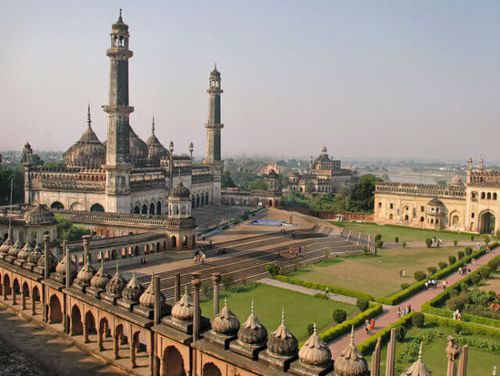
India's monuments work for corporate groups when the place is the programme. A day among carved temples or inside a Mughal garden gives a team a shared story to talk about, and it takes less planning than a gala.
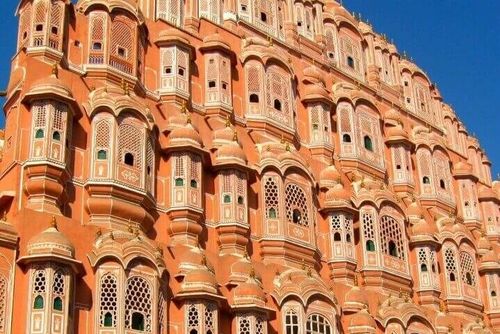
The working sessions still belong in a hotel. Monuments are for walking, learning and dinner. Pick the city by what the group needs: Agra for the Taj, Delhi for the Mughal gardens, Khajuraho for temple art, Jaipur for a living old city.
- Agra and Fatehpur Sikri
- The Taj Mahal and Agra Fort were inscribed as World Heritage Sites in 1983 and Fatehpur Sikri in 1986. Agra is 1 hour 40 minutes from Delhi by train, so it fits a single overnight. The Taj is closed on Fridays. See Agra.
- Delhi
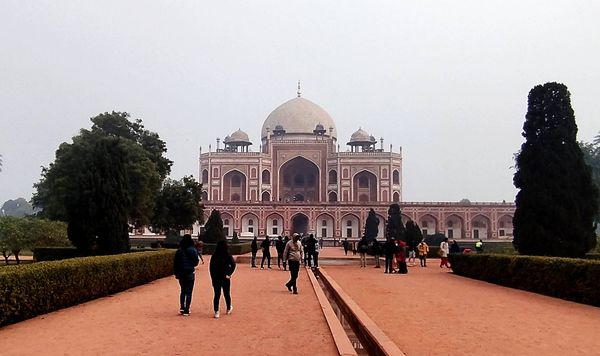
- Humayun's Tomb was the first garden-tomb on the Indian subcontinent and is a calm place for a morning walk before a day of sessions. See New Delhi.
- Khajuraho, Madhya Pradesh
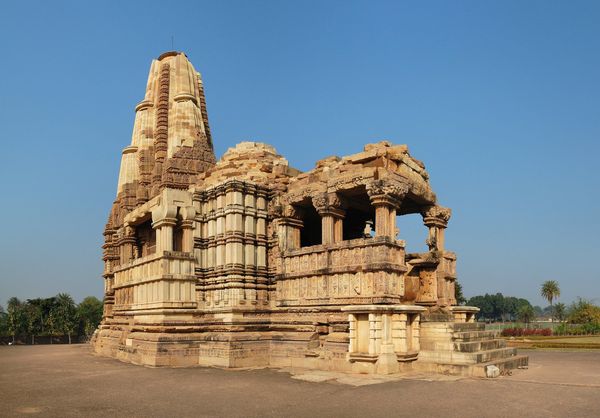
- Temples built between about 885 and 1000 CE by the Chandela dynasty, about 25 of them still standing, and a UNESCO World Heritage Site since 1986. It is about 620 km south-east of Delhi, so plan the flight first.
- Jaipur and Rajasthan
- The old city, the forts and the palaces sit in a single state. A clue-led walk through the old city is one of the easiest team activities we run. See Jaipur.
- Craft workshops
- Madhubani painting, pottery and textile weaving can be taught in a group session. A team that makes one piece together learns more about each other than in a lecture.
- Festivals
- A corporate evening during Diwali can include rangoli, diyas and a traditional meal. Book early, because hotels fill and prices rise.
Forts and palaces
A fort or a palace lends an event its sense of occasion. The best of them run as hotels with halls, lawns and terraces, so a group can hold both the sessions and the dinner on site.
Rajasthan has the most, and its own page covers them: the lake palaces of Udaipur, the palaces of Jaipur, Mehrangarh and Umaid Bhawan in Jodhpur and the desert fort of Jaisalmer. Outside Rajasthan, Hyderabad is the city to know.
- Chowmahalla Palace, Hyderabad
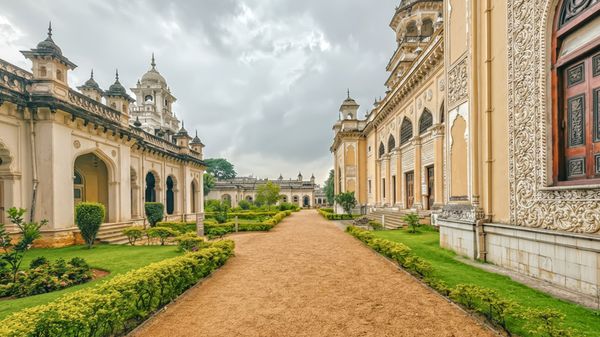
- The seat of the Asaf Jahi dynasty, which ruled Hyderabad from 1720 to 1948. The Nizams began the palace as it stands in 1769. It is now a museum, and its courtyards suit a dinner or a reception for a large group.
- Taj Falaknuma Palace, Hyderabad
- Completed in 1893 as a residence for a prime minister of Hyderabad state, and open as a Taj hotel since November 2010. Better for dinners and small leadership groups than for a conference. See Hyderabad.
- Ask who runs it
- A palace hotel, a family trust and a government-run monument each set their own rules on sound, fire safety, catering and opening hours. Find this out before you choose the date.
- Plan for the building
- Old courtyards carry sound, old wiring takes less power than a stage needs and old floors have limits. Ask for the site plan, then plan the power and the stage around it.
Heritage trains
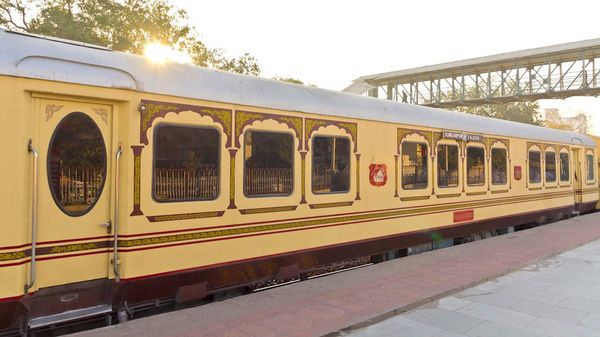
A heritage train is a reward, not a conference venue. The route is fixed, the cabins are limited and the pace is slow. That is the point. A group that travels together for a few days talks more than one that meets in a hotel.
Keep the working sessions for the hotels at either end, and use the train for the journey, the meals and the day trips.
- Palace on Wheels
- Launched on 26 January 1982 by Indian Railways and the Rajasthan Tourism Development Corporation, to promote tourism in Rajasthan, in carriages modelled on the personal trains of former princely states. It pairs with the Rajasthan programmes.
- Maharajas' Express
- Run by IRCTC on four routes across north-west and central India, mainly Rajasthan, between October and April. The season is short, so plan the date early.
- Darjeeling Himalayan Railway
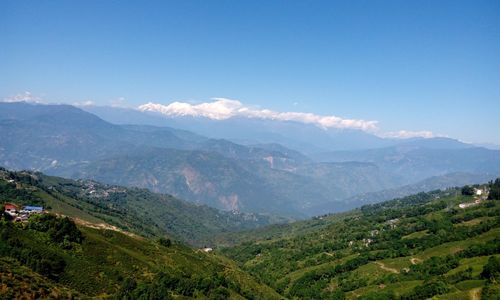
- An 88 km narrow-gauge line built from 1879 to 1881, climbing from New Jalpaiguri to about 2,200 m at Darjeeling. It was named a UNESCO World Heritage Site in 1999. Tourist trains run to Ghum and a steam service runs to Kurseong. Good for a half day with a small group.
- Kalka to Shimla
- A 95.68 km line opened in 1903, now part of the same UNESCO World Heritage Site as the Darjeeling railway. Use it as an activity between Chandigarh and Shimla, not as the main transport.
Departure dates and itineraries are set by the operator. Fit your programme to the train, not the other way round.
Spiritual retreats
Spiritual places give a group quiet. They work for reflective offsites, wellness retreats and leadership seminars where the point is to slow down, not to produce a plan.
Every site has its own rules. Brief the group on dress, footwear, photography and timings before they arrive, and keep the schedule loose.
- Amritsar
- The Golden Temple has a community kitchen, the langar, that serves a free vegetarian meal to every visitor. A morning of service in the kitchen is one of the most memorable team activities in India. See Amritsar.
- Varanasi
- The evening aarti on the Ganga ghats is the draw. Sit the group on the steps or on a boat, and keep the rest of the day light. See Varanasi.
- Rishikesh and Haridwar
- Yoga and meditation at Rishikesh, and the Ganga aarti at Haridwar. Both sit within a day of Delhi. See Rishikesh and Haridwar.
- Ladakh monasteries
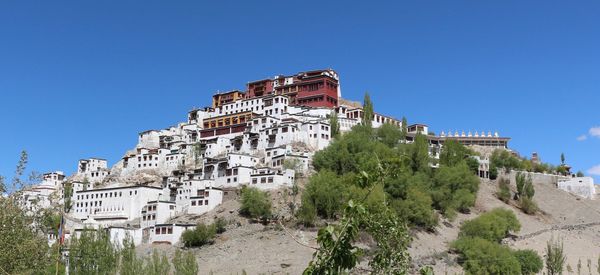
- Thiksey Monastery stands at 3,600 m, about 19 km east of Leh, in a twelve-storey complex that holds a 15 m statue of Maitreya. Allow two days in Leh for the group to adjust to the altitude.
- Puri
- A pilgrimage town on the Odisha coast, with a sea beach and a UNESCO sun temple at Konark. See Puri.
For yoga, Ayurveda and meditation programmes that run alongside the retreat, see the wellness guide.