
Case study
A three-day CME conference in Goa for 250 surgeons, with live surgery from Europe
ICE India managed the full continuing medical education (CME) conference for Johnson & Johnson DePuy, from the satellite link and 250 surgeons' travel to the exhibition and the gala dinner on the beach.
By ICE India · Updated
- Client
- Johnson & Johnson DePuy
- Event
- CME conference for orthopaedic surgeons
- When
- February 2016
- Where
- Goa
- 250orthopaedic surgeons, travelling from 30+ Indian cities
- 2live surgeries broadcast from Europe, one a spine case and one a joint replacement
- 3days, with arrivals the evening before
The brief
Johnson & Johnson DePuy wanted a Continuing Medical Education conference for orthopaedic surgeons that did more than lecture. The centrepiece was live surgery: two procedures performed in European operating theatres and shown in Goa, with the audience able to put questions to the operating surgeon as he worked.
The event also had to carry 250 senior doctors from across India, host medical device exhibitors, and give a destination-led three days that doctors and their spouses would want to attend. A technical failure during a procedure would have removed the reason the surgeons came, and poor logistics would have reflected on the sponsor.
What ICE India delivered
Live surgery link
Two procedures from European theatres over dedicated satellite capacity, with multi-angle cameras, two-way audio and an automatic backup path.
Pan-India travel
Flights from 30+ cities, with business class for senior surgeons, plus airport transfers and tracked return runs.
Accommodation
Room blocks near the venue, graded by seniority, with spouse accommodation and dietary needs recorded in advance.
Venue and registration
Theatre-style seating for 250, welcome kits, badges with credentials, and signage between sessions, meals and rooms.
Exhibition
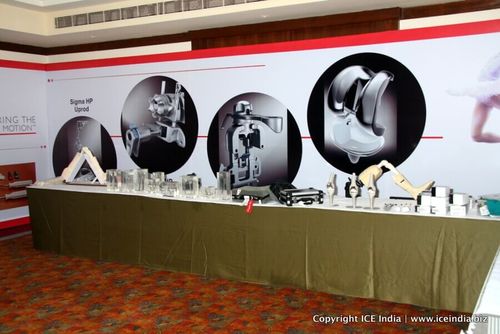
Modular booths for medical device companies, with power, lighting, security and demonstration areas where surgeons could handle instruments.
Hospitality and evenings
Three days of catering, a gala dinner with Goan performers, a beach barbecue and optional heritage tours.
Live surgery from Europe
ICE India worked with the European hospitals to arrange operating theatre access, and technical crews installed cameras for an overhead view of the surgical field, close-ups on instrument technique and wide shots for context. Microphones captured the surgeon's narration and carried questions from the Goa audience back to the theatre, which turned a broadcast into a two-way teaching session.
Video travelled over high-bandwidth satellite uplinks on contracted dedicated capacity, with backup connections that switched in automatically if the primary failed. At the venue, receiving equipment and professional AV put HD video on large screens, with multi-screen layouts showing different angles at once so every seat in a 250-person room had a clear view.
Testing before the doctors arrived
Days before the conference, the team ran full system tests with dummy feeds from Europe to Goa, going through every component to find weak points while there was still time to fix them. The tests covered the uplink, the receiving equipment, the audio return path for questions, and the switch to backup. The technical crews on both sides were in place for the live sessions.
Flights, transfers and rooms for 250 doctors
A custom registration system captured each doctor's travel needs. Surgeons flew from 30+ cities, and flights were timed so that anyone attending the first morning arrived the previous evening, with departures after the final session. Senior surgeons were booked in business class and junior attendees in economy, matching the hierarchy the doctors expected. Seat, meal and assistance requests were recorded and carried through.
On the ground, sedans met individual doctors and vans carried groups, with experienced drivers and live tracking for delays. Return transfers were tied to flight times, with the earliest departures scheduled first, so no one missed a flight. Hotel room blocks near the venue were graded by seniority, with suite upgrades for senior surgeons and spouse accommodation where doctors brought family. Vegetarian, Jain and allergy requirements went to the hotels ahead of arrival.
Venue, registration and catering
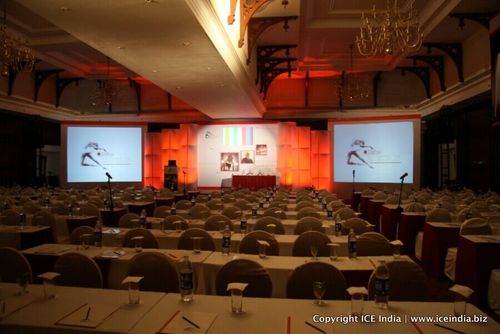
The hotel conference space was set theatre-style for 250 with clear sightlines, professional audio for presentations and questions, and lighting that suited both projection and note-taking. Registration desks handed out welcome kits with conference materials, branded items and Goa information, and badges carried professional credentials.
Catering ran across three days: breakfast buffets before the morning sessions, coffee breaks, lunches with varied cuisine, and evening cocktails and dinners. Menus mixed healthy options with Goan regional dishes and international choices.
An exhibition that stayed educational
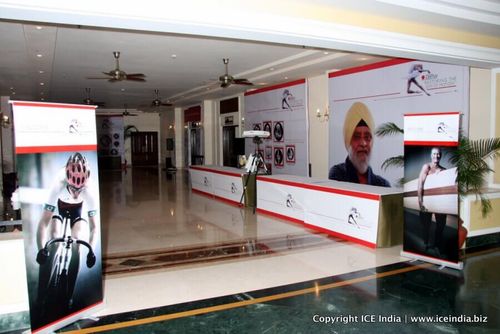
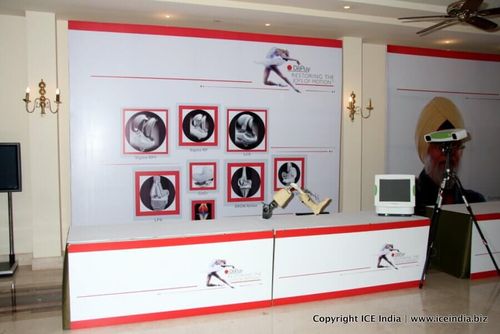
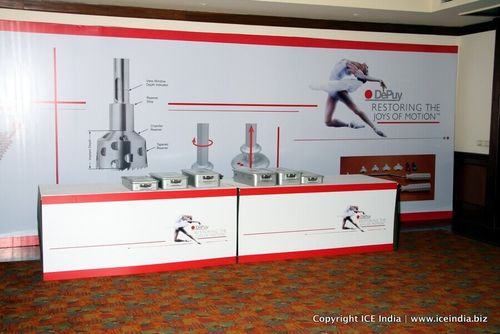
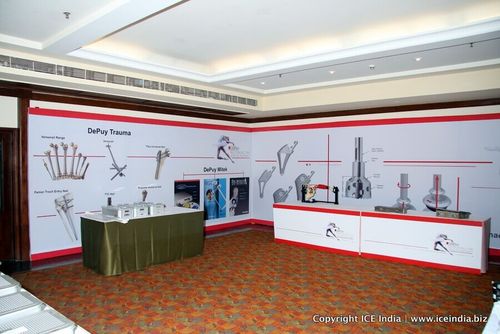
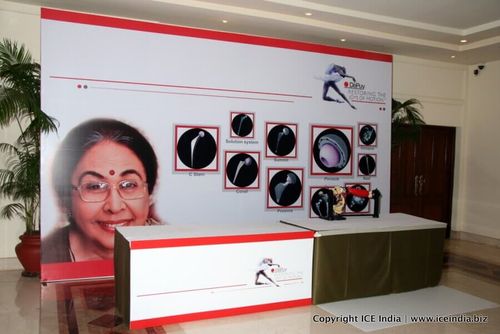
Medical device exhibitors received dedicated space close to the conference halls. Modular booth systems were allotted by sponsorship tier, with corner positions for premium sponsors and inline booths for the rest. Lighting, power for electronic demonstrations, security for high-value equipment and storage for stock and packaging were all handled by ICE India.
Demonstration areas let surgeons handle instruments, ask technical questions and train on new devices. Company representatives, often surgeons who use the products, spoke about clinical experience, which kept the exhibition close to the conference content and made visits a natural part of the breaks.
How the three days ran
Doctors arrived through Thursday evening to pre-assigned rooms, with a welcome reception before programming began on Friday. Registration the next morning moved quickly, and the opening session combined addresses from J&J DePuy leadership, brief sponsor acknowledgements and case studies from leading Indian surgeons.
The first live surgery began mid-morning on Friday: a complex spine procedure, narrated by the surgeon as he operated, with questions relayed to Europe and answered between steps. The second, a joint replacement showcasing newer implant technology, followed on Saturday morning. Breaks and meals gave surgeons time to compare techniques and visit the exhibition. Friday's gala dinner was on the beach with Goan dancers, Saturday offered optional visits to Old Goa's churches and spice plantations, and Sunday closed with a panel on contested topics in orthopaedics, closing remarks and departures.
What made it work
- Technology tested before the day
- Full dummy-feed tests and automatic backup paths meant the centrepiece of the event did not depend on a single link.
- Logistics that matched the audience
- Seniority-based flights and rooms, tracked transfers and recorded dietary needs respected the doctors' time and standing.
- A destination that encouraged attendance
- Goa made the conference a reason to travel, with spouse accommodation and optional leisure built in.
- Exhibition inside the learning
- Demonstration areas and peer conversations kept commercial content close to clinical practice.
The event brief guide lists what to tell an agency before a conference like this, and event logistics covers delegate travel and registration.
Questions this event answers
How do you broadcast live surgery to a medical conference?
You need a satellite uplink and a technical crew in the operating theatre, multi-angle cameras, audio in both directions, receiving equipment and large screens at the venue, and backup connections that switch in automatically. For this conference the team ran full tests with dummy feeds before the doctors arrived. See conference management.
What is involved in flying 250 doctors in from across India?
A registration system that captures travel needs, flights timed around the agenda, seniority-based class and room allocations, transfers tied to flight times, and recorded dietary requirements. Here, doctors flew from 30+ cities.
Why hold a medical conference in Goa?
It has an international airport with direct flights from the major cities, hotels with conference facilities, established MICE vendors and appeal as a destination, which helps attendance when doctors can bring family.
How do you run an exhibition at a CME conference without it feeling commercial?
Place it beside the conference halls, give exhibitors demonstration areas where surgeons can handle instruments, and let clinicians who use the products speak, so visits support the education.
More case studies
- Investigator meeting for a clinical trial
KlinEra, for Akero
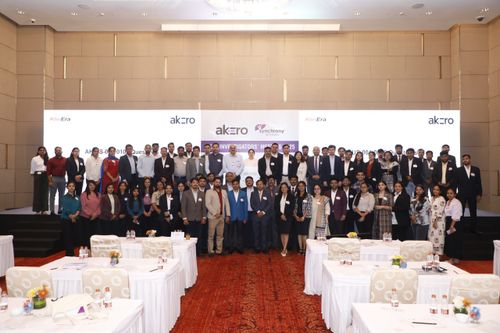
ICE India ran the investigator meeting for Akero's clinical trial in India, from group flights and handbook printing to attendance and assessment records, in Mumbai and Gurugram.
- Annual leadership conference and awards
A global testing and certification company
ICE India produced the whole conference for a global testing and certification company, from the master schedule and AV to the awards night, the gala dinner and an outing to Amer Fort.
- Annual global partners meet and awards
Godrej Appliances
ICE India produced three consecutive editions of Godrej Appliances' Confluence partners meet, in Mumbai in 2017, Pune in 2018 and Delhi in 2019. The first was the event's ninth year overall, built around one theme.
Services used: Conferences & Leadership Summits