
Case study
Footsteps 4 Good: a Mumbai charity run for 30+ NGOs, managed since 2011
The British Deputy High Commission wanted a run that let each participant pick the NGO their effort supports. ICE India has managed it from the first edition on 2 October 2011.
By ICE India · Updated
- Client
- British Deputy High Commission, Mumbai
- Event
- Annual charity run
- When
- Annual since 2 October 2011
- Where
- Mumbai
- 30+NGOs supported across education, health, environment and women's empowerment
- 15+water stations staffed by volunteers
- 2routes: 10 km for runners, 5 km walk or run
The brief
In 2011 the British Deputy High Commission in Mumbai approached ICE India with a new charity initiative, Footsteps 4 Good, or F4G. It was to be a run that supported Mumbai's NGO community and encouraged civic participation. Unlike marathons with a fixed beneficiary, F4G let each participant choose which NGO their registration fee and fundraising would support, a decentralised giving platform.
That meant the usual run problems and more. A Mumbai running event needs permissions, route planning through congested streets, traffic management, medical protocols and participant safety. F4G also needed financial tracking so each rupee reached the right organisation, and the first edition had to happen on 2 October, Gandhi Jayanti, a national holiday tied to service, which left a few months to plan, secure permissions, market and build the NGO network. The High Commission wanted collaborators to shape the event's ethos and grow it into an annual Mumbai tradition.
What ICE India delivered
Concept and purpose
Refined with the High Commission and the British Business Group around the line that giving fuels vehicles of social change, with 10 km and 5 km routes.
Bringing NGOs on board
A structured vetting process: legal registration, demonstrated impact, a fit with social change themes and capacity to receive and account for funds.
Marketing and registration
Campaigns around choice, an online portal with secure payment, NGO selection at sign-up and dashboards showing which causes were receiving support.
Bib expo
Race packet collection two to three days before, with NGO representatives meeting runners.
Route and permissions
Liaison with Mumbai Police, the BMC and residents along a South Mumbai route, with surveys, hazard plans and overnight route marking.
Race-day production
Check-in, staggered starts, 15+ water stations, ambulances and roving paramedics, finish line operations and clean-up with 100+ volunteers and staff.
Concept, NGOs and the choice model
ICE India worked with the High Commission and the British Business Group to balance practical execution with an aspirational mission. Giving was framed as an empowering choice, not a charity obligation. Fees covered event costs and meaningful NGO donations, and the emphasis was on participation, community and impact rather than competitive timing, which can intimidate non-athletes.
Partner NGOs had to show registration documents (legal status), demonstrated impact, a fit with social change themes and the capacity to receive and account for funds. Over the editions the platform has supported 30+ NGOs across education, healthcare, environmental conservation, women's empowerment and community development, so participants can back a cause that matters to them.
Marketing, registration and bibs
F4G depends on participants who care about causes, not just medals. Campaigns used the line your footsteps, your cause, and ran digitally and on social media to reach engaged Mumbai citizens, corporate CSR teams seeking employee engagement and expatriate communities.
The registration system let each participant select a beneficiary NGO at sign-up, with the back end tracking allocations so fund distribution stayed transparent. Real-time dashboards showed which NGOs were receiving support, which encouraged participants to recruit friends to their chosen cause. Registration used secure online payment, automated confirmation emails and pre-event communication.
Bibs were distributed at an expo-style event two to three days before, where participants collected race packets, met NGO representatives and received briefings, which turned an online transaction into a community gathering.
Route, permissions and safety
The route runs through iconic South Mumbai areas and needs extensive coordination. ICE India worked with Mumbai Police on traffic diversions, the BMC on road closures and local authorities for clearances, and asked residents and businesses along the route for cooperation. Planning balanced scenic appeal, safety by minimising traffic interaction and logistics such as water station placement and medical access points.
Route surveys were carried out weeks ahead to spot hazards and prepare contingencies. The route was marked overnight before the event to prevent tampering, with directional signage, distance markers and barricades guiding runners safely.
Race day
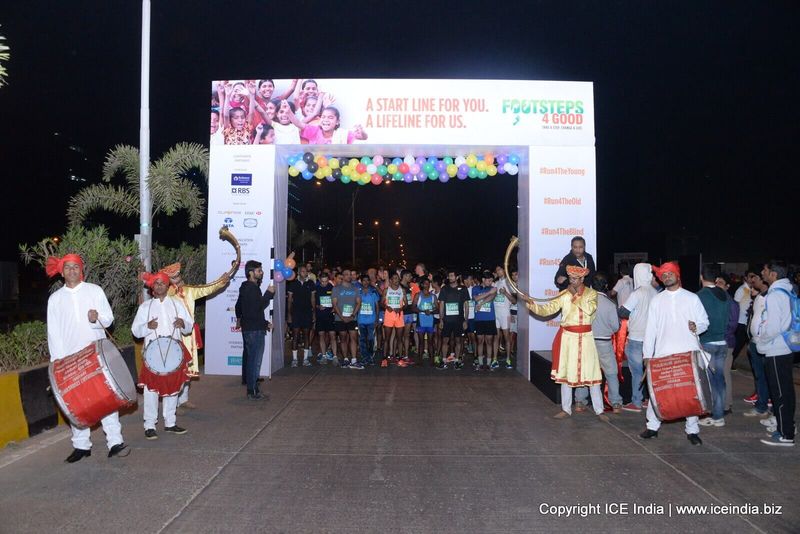
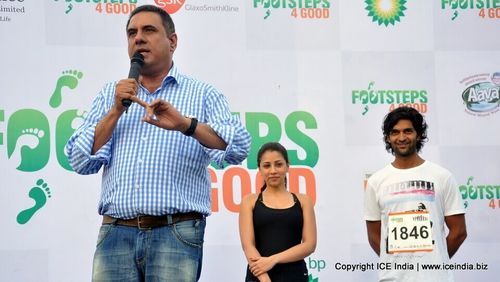
Race mornings start before dawn, typically at the start in Bandra-Kurla Complex. ICE India ran registration check-in and timing chip distribution, stage management with emcee announcements, warm-ups and speeches, staggered starts to prevent congestion, and 15+ water stations staffed by volunteers. Medical cover included ambulances, first aid posts and roving paramedics, with route marshals keeping runners on course and a command centre in real-time contact with every station. More than 100 volunteers and staff were involved, including post-event clean-up of barricades, signage and waste.
The 10 km route attracts serious runners seeking personal bests and the 5 km walk or run welcomes families and first-timers. Runners wear shirts for their chosen NGOs, so the field is visibly multi-cause. Finishers receive a medal for completing, not for speed, a certificate naming their NGO and refreshments, and meet NGO volunteers who explain how funds will be used.
The 2012 storm
The second edition was the test. A heavy storm hit Mumbai the night before the run, flooded parts of the route and wrecked the temporary infrastructure ICE India had installed. Cancelling would have disappointed hundreds of registered runners and the NGOs counting on funds, so the team worked through the night: rebuilding holding fences, redirecting the route away from flooded areas and agreeing the modified plan with the authorities. By morning the run went ahead safely.
Jill Beckingham of the High Commission recalls it in her testimonial as the night the team rebuilt the fences and steered runners away from the flooding.
What keeps it going
- Participant choice
- Runners direct their effort to a cause they care about, which builds ownership and return participation.
- A fixed date
- Holding it each 2 October, Gandhi Jayanti, gives the community a date to plan around and ties the run to service.
- NGO partnerships beyond the transfer
- The bib expo and finish line introduce runners to organisations they may keep supporting.
- Invisible logistics
- Smooth registration, clear routes, medical support and accurate timing leave participants free to think about their reasons for running.
Registration and the movement of people at events like this fall under event logistics.
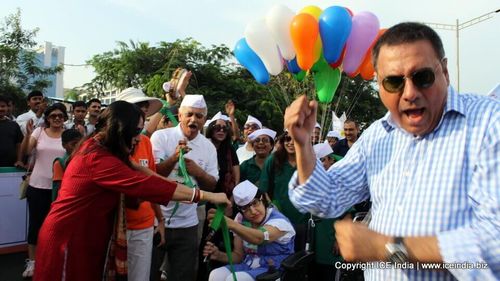
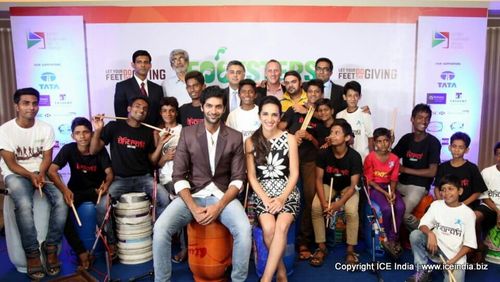
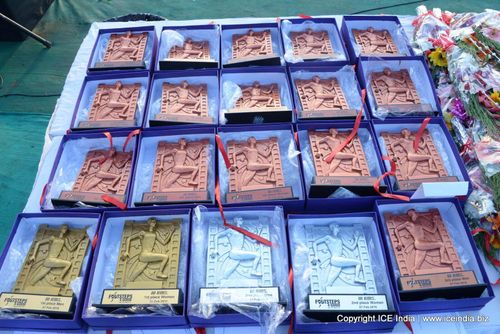
I first met Mufaddal and ICE India in 2011 when I wanted to stage a charity event called Footsteps 4 Good in Mumbai on October 2nd. I contacted a few event agencies but luckily I chose ICE because of their competitive edge and commitment to the cause. From the outset Mufaddal was enthusiastic and supportive. He worked tirelessly to make the event a success, and of great benefit to local NGOs. Without the professionalism of ICE the event wouldn't have gone off so smoothly. In 2012 a storm raged the night before the event but somehow team ICE rebuilt holding fences and directed the participants away from the flooded areas. From then on he and I have worked to promote Footsteps to make it an annual event.

The acronym ICE stands for Impressive, Capable, and Efficient. It was so calm and well-managed that they were able to handle the whole event from scratch. The company is experienced in handling things such as negotiations, customisation, and creativity. Our event was managed by ICE India in such a way that our client was unstoppable in appreciating it. It is Mufaddal who is the backbone of ICE India and he has a wonderful team to support him in managing any event. We had a great time working with ICE India, and I am sure they will go far in this industry. A big thank you to the team at ICE India.

Dear Mufaddal & ICE team,
I wanted to take a moment to express my sincere appreciation for the amazing job you did in organizing our all-company offsite in Goa. From start to finish, it was a seamless and enjoyable experience. Your team was a pleasure to work with, and I was thoroughly impressed by their professionalism, attention to detail, and willingness to go above and beyond.
Mufaddal, throughout the planning stages, you were incredibly responsive and proactive in addressing any questions or concerns we had. You provided us with valuable insights and recommendations that helped us create a customized program that perfectly met our needs for a good balance between team building, local experiences and fun.
During the event, your team was exceptional in their coordination and execution. They were always available to help and ensure everything was running smoothly. I appreciate you being there to supervise everything and act as a point of contact throughout the event, going out of your way to accommodate any last-minute needs or changes. Your personal involvement really helped us deliver a memorable and meaningful offsite.
Overall, I am thrilled with the experience your team provided us.

Questions this event answers
What permissions does a running event in Mumbai need?
Mumbai Police permission for road closures and traffic management, BMC approvals, medical emergency protocols, insurance documentation, waste plans and security coordination. The slowest part is permissions, so applications start months ahead.
How do participants choose the NGO they run for?
At registration. Each participant selects a beneficiary NGO, the system records allocations and dashboards show which causes are receiving support.
How do you plan for weather on a race morning?
Watch forecasts for weeks, agree decision timelines with authorities, hold spare equipment and keep communication channels open. In 2012 overnight flooding was handled by rebuilding fences and rerouting runners.
Can ICE India manage charity runs in other cities?
Yes, with local permissions and vendors for each city. See event management.
More case studies
- Multi-city employee awards programme
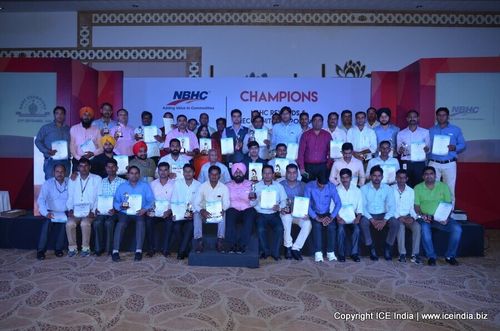
National Bulk Handling Corporation (NBHC)
A first recognition programme piloted in Mumbai, then rolled out to Hyderabad, Jaipur and Bhopal.
- Annual employee offsite with rewards and recognition
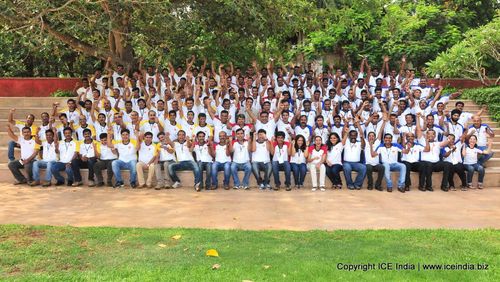
IDBI Federal Life Insurance
An annual offsite in Hyderabad for 150+ employees, with business sessions, awards and a qawwali dinner.
- Annual leadership conference and awards
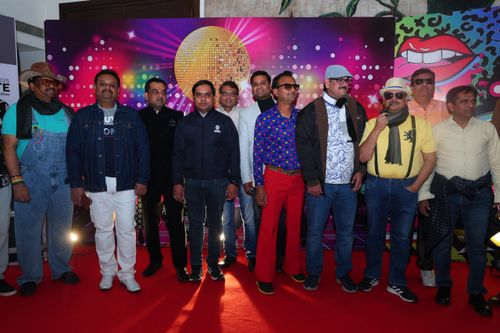
A global testing and certification company
ICE India produced the whole conference for a global testing and certification company, from the master schedule and AV to the awards night, the gala dinner and an outing to Amer Fort.
Services used: Corporate Experiences & Events