
Case study
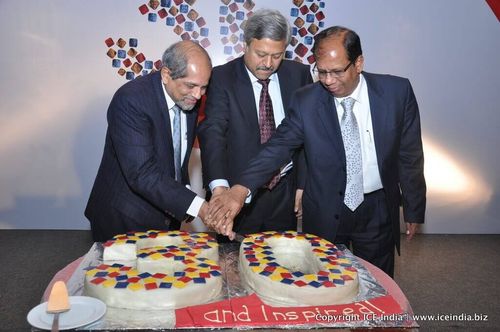
Mastek's 30th anniversary: a stakeholder evening, then a corporate family day for 5,000
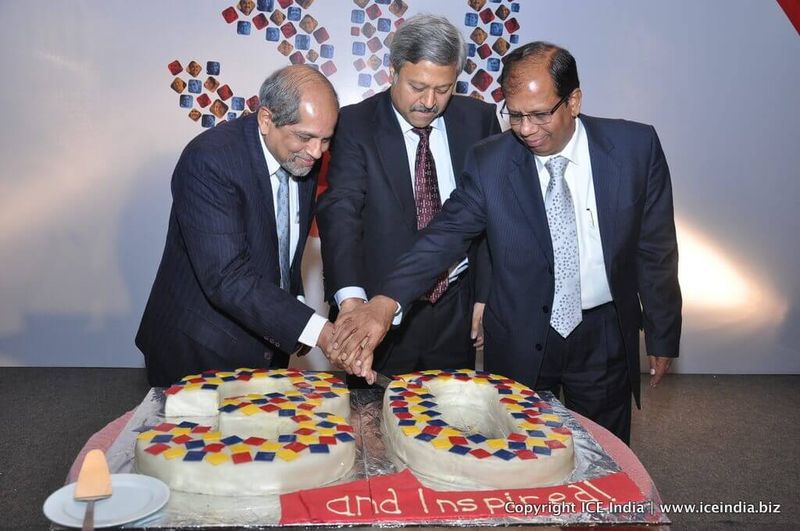
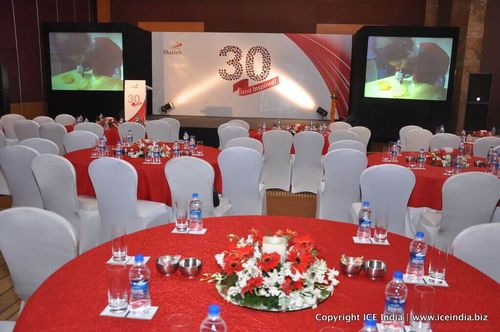
One milestone, two audiences. ICE India produced a sophisticated evening for customers and partners, then a festival-style family day in Mumbai for employees, their families and their children.
By ICE India · Updated
- Client
- Mastek
- Event
- 30th anniversary and employee family day
- When
- Two days, stakeholder evening then family day
- Where
- Mumbai
- 5,000attendees across the two days
- 3supervised children's zones by age group
- 2,000children expected among the family day guests
The brief
Mastek was celebrating 30 years in technology. The milestone called for two separate events with a shared theme. Day one would honour customers, channel partners and senior stakeholders. Day two would be for employees and their families, up to 5,000 people including spouses, children and extended family.
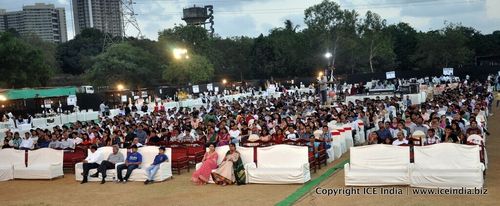
Both carried risk. The stakeholder evening had to avoid the formula of video montage and leadership speeches, and say something about Mastek's values beyond business results. The family day multiplied every requirement: food; entertainment for toddlers, older children and teenagers; toilets; parking; medical cover; and crowd management. Mastek also wanted employees on stage, dancing, singing and doing comedy, which meant stage-ready acts from people who are not performers, and children safe enough that parents could leave them in activity zones.
What ICE India delivered
Two-day concept
A stakeholder evening and a family day, distinct in tone and audience and joined by the 30-year theme.
Social impact programme
A performance by children from a Mumbai NGO that Mastek had supported for years, placed at the centre of the stakeholder evening.
Employee performances
A month of choreography, weekly rehearsals and technical run-throughs for employee dance, singing and comedy acts.
Children's zones
Three age-segregated areas for 2 to 5, 6 to 10 and 11 to 14, run by trained supervisors with wristband matching and lost child protocols.
Food and site logistics
Multiple cuisine stations, staggered meal timings, parking with shuttles, medical stations, security and information desks.
Venue build
Staging with audio-visual systems, tenting, flooring, lighting, generators and colour-coded signage across the grounds.
Day one, the stakeholder evening
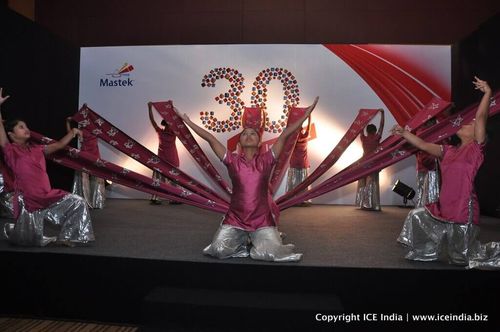
Customers, channel partners and employees gathered for cocktails and networking in a venue that balanced professionalism with warmth. The centrepiece was a dance performance, traditional and contemporary, by children from a Mumbai NGO that works on education and rehabilitation for children and that Mastek had supported for years.
The performance made that partnership visible. NGO representatives then spoke about how the support had changed individual lives, and guests approached them afterwards to ask about volunteering and further help. Leadership speeches covered the 30-year journey, from early struggles and breakthrough moments to client relationships spanning decades, and were kept short so the performance carried the emotional weight.
Choreographing employee acts
ICE India worked with employee teams for a month. Professional choreographers assessed skill levels and built routines to match them. Some groups chose Bollywood numbers, others Western pop, and a few attempted stand-up comedy.
Rehearsals ran weekly after work hours, with choreographers filming sessions for practice at home and WhatsApp groups keeping each team coordinated. Costume guidance kept acts visually cohesive, and technical run-throughs before the event prevented surprises on stage. The aim was to protect employees from awkwardness while letting their talent show, so acts were stage-ready, not improvised.
Children's zones and child safety
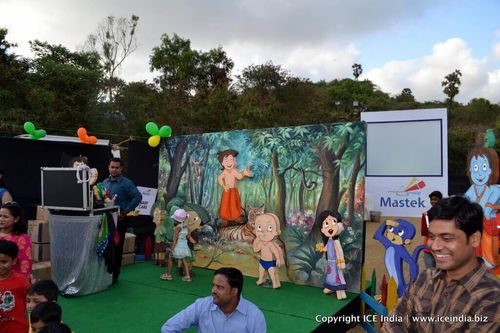
With around 2,000 children expected among the 5,000, entertainment had to hold interest all day and give parents confidence. Toddler zones (2 to 5 years) offered soft play, supervised crafts and storytelling. The 6 to 10 section had games, face painting, magic shows and inflatables. Teens (11 to 14) had sports, video game stations and music.
Professional supervisors trained in safety managed each zone. Parents wore wristbands matching their children's, lost child protocols were in place for quick reunification and medical staff were stationed nearby. Parents could then join the adult programme knowing the children were looked after.
Stages and programming
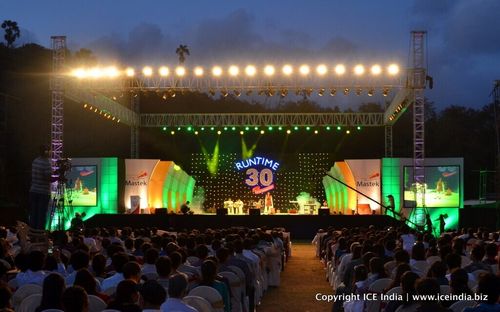
Multiple stages prevented bottlenecks. The main stage ran employee performances and professional acts, while secondary stages held children's entertainment at the same time. Music and comedy rotated, so there was always a choice and nobody was herded toward one programme.
The mix spanned generations: Bollywood singers for older attendees, contemporary bands for younger staff, magic shows for children and clean-material stand-up for adults.
Feeding and moving 5,000 people
Multiple cuisine stations kept queues short: North Indian, South Indian, Chinese and Continental, with separate children's menus, vegetarian and non-vegetarian options, dessert stations and beverage kiosks across the grounds. Meal timings were staggered by zone and colour-coded tokens managed flow, with staff watching queues and redirecting crowds to quieter stations.
Parking was planned with shuttles from remote lots. Toilets were provided to required ratios, medical stations had ambulance access, and lost-and-found, information desks and entry and exit security were staffed. Extra food, backup generators and additional medical staff were held in reserve for anything above projection.
Venue build and wayfinding
A large Mumbai venue became festival grounds. The build included several staging areas with professional audio-visual systems, tenting for weather protection, flooring against mud if it rained, lighting for the evening and generator systems powering everything.
Colour-coded sections, signage between zones, maps at the entrance and uniformed staff made navigation simple. At registration, pre-printed badges, colour-coded wristbands and welcome kits with maps, schedules and food tokens kept arrivals orderly despite the numbers.
What made it work
- Two events, not one
- Stakeholders needed sophistication and families needed easy access. Separate days let each audience be served properly under one theme.
- Purpose over polish
- The NGO performance showed Mastek's values through people rather than a video.
- Preparation for non-performers
- A month of choreography, rehearsal and run-throughs let employees perform with confidence.
- Reserves at scale
- Spare food, power and medical cover meant a surge or failure stayed a small problem.
A family day for 5,000 people needs permissions, covered in the licences guide, and crowd movement, covered by event logistics. ICE India also plans other corporate events such as family days.
Questions this event answers
How do you choreograph employee performances for a corporate event?
Start four to six weeks out. Choreographers assess skill and comfort, build routines to match, rehearse weekly outside working hours, share filmed practice sessions, guide costumes and run technical rehearsals with production. At Mastek this took a month and ended with stage-ready acts.
What makes a children's zone work at a family day?
Separation by age, trained supervisors and clear safety protocols. Mastek's three zones covered 2 to 5, 6 to 10 and 11 to 14, with matching wristbands for parents and children, lost child procedures and medical staff nearby.
How do you manage logistics for a 5,000-person event?
By planning every load point in advance: staggered meals and multiple food stations, parking and shuttles, toilets to ratio, medical stations, signage and spare capacity. See event management.
How can an NGO partnership fit into a milestone event?
Choose a cause the company already supports and give the beneficiaries the stage, with a chance for guests to ask how to help. At Mastek the NGO performance and a short talk about its work led guests to ask about volunteering.
More case studies
- Annual channel partner appreciation event
Carlson Rezidor Hotel Group
ICE India has produced Carlson Rezidor's yearly event for travel agents, corporate bookers and event planners, with a fresh concept each edition for a largely unchanged guest list.
- Annual employee recognition symposium, three editions
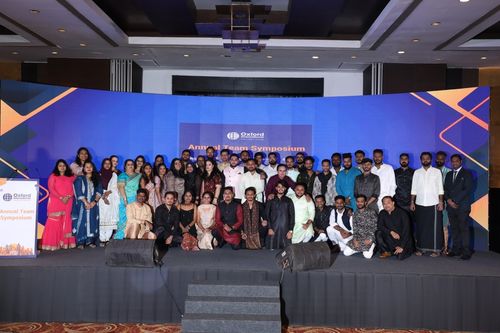
Oxford International Education Services
Annual recognition symposiums in Mumbai, growing from 150 to 350 delegates over three editions.
- Inaugural employee rewards and recognition event
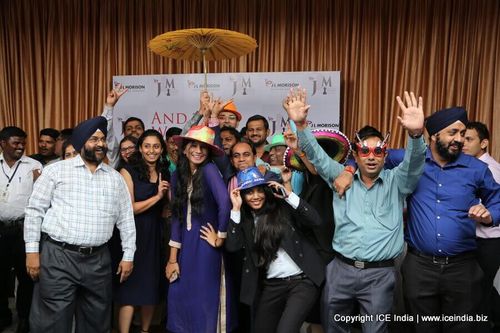
J L Morison (India) Ltd
A first-time rewards evening for 120 employees, with concept options, venue, eight awards, menus and licences planned from scratch.
Services used: Corporate Experiences & Events